
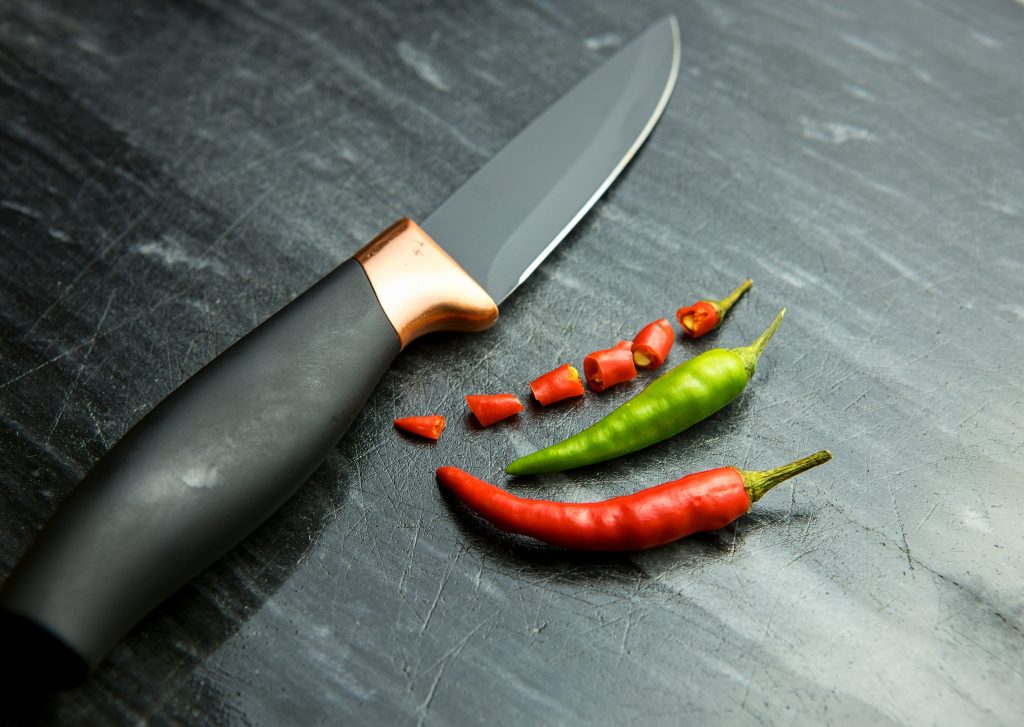
Kitchen knives are most often damaged not by use itself, but by everyday habits: washing them in the dishwasher, cutting on glass or stone surfaces, scraping food with the blade, storing them in a drawer without protection, and using a knife for tasks it is not designed for.
The good news is that all these mistakes are easy to correct. In this short guide, we share our recommendations to help your knives last longer.
1.Washing Knives in the Dishwasher
Dishwashers are convenient for cleaning dishes, but they can damage knives in several ways:
- Impacts Against Other Dishes They chip and dull the blade's thin cutting edge.
- High Temperatures and Harsh Detergents They damage the steel surface over time.
- Wooden Handles Moisture and heat can cause them to swell, fade, or crack.
- Carbon Steel Knives They can rust if left wet for extended periods.
How to properly wash a kitchen knife?
Wash the knife by hand immediately after use, using warm water, a small amount of dish soap, and a soft sponge. Wipe the sponge from the spine toward the cutting edge, never along the blade. Dry it immediately with a cloth. Do not leave the knife soaking in the sink: this can damage the blade, and you may easily cut yourself when reaching into the water.
2. Cutting on the Wrong Surface
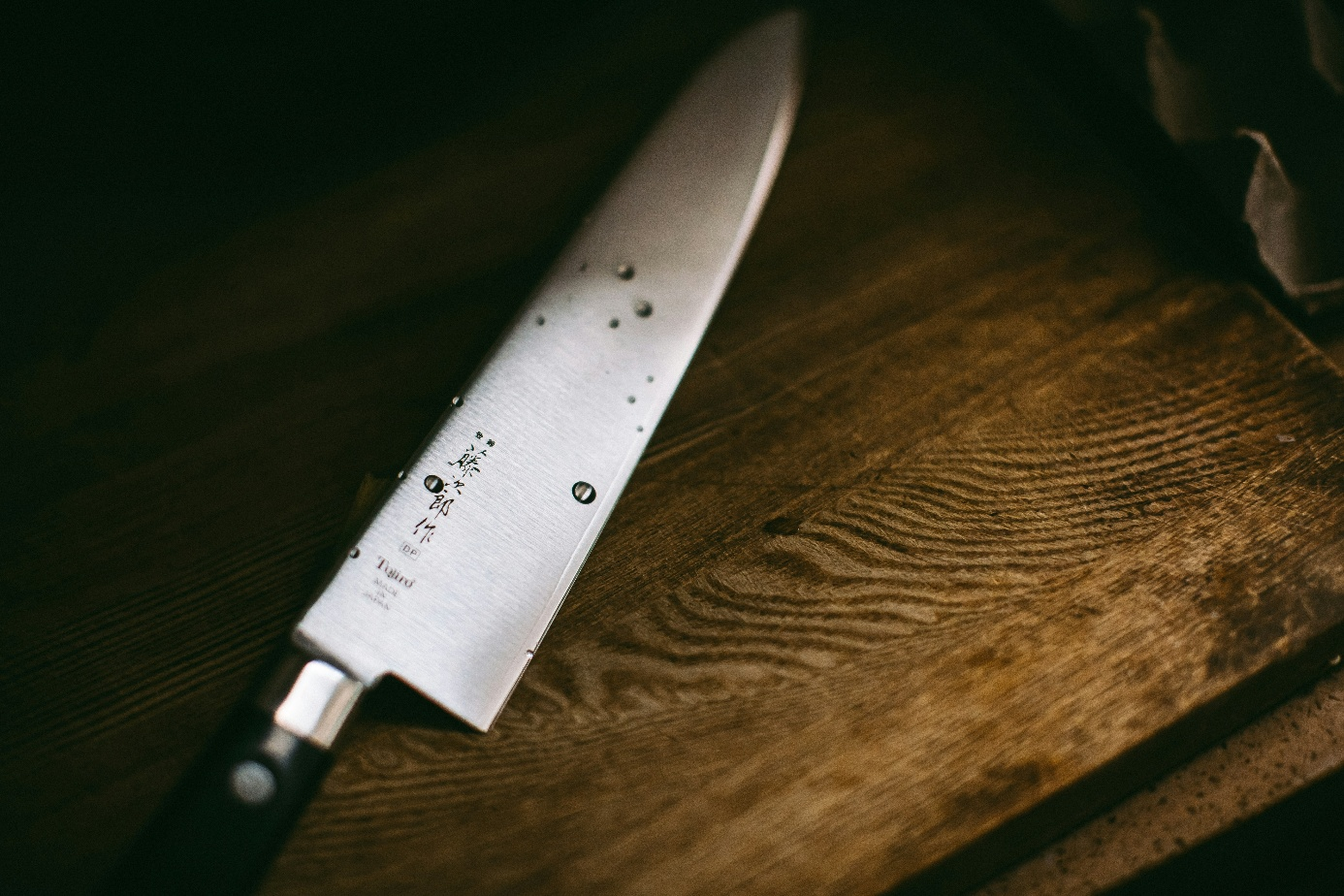
Glass cutting boards, marble, granite, ceramic plates, and metal surfaces are harder than the blade. The cutting edge can bend and chip after just a few cuts.
Which cutting board should you use for your knives?
To preserve the sharpness of your kitchen knives, it is best to use a wooden or high-quality plastic cutting board. Bamboo is also a good option, but it is slightly harder and less gentle on the blade.
- Wooden Cutting Board It is gentle on the blade. End-grain wooden cutting boards are the gentlest option, as the wood fibers separate under the blade.
- High-Quality Plastic Cutting Board It is a good and practical option because it is easy to clean.
Bambus It is harder than most types of wood, making it slightly less gentle on the blade, but it is still a much better choice than glass or stone.
3. Scraping Food Across the Cutting Board with the Blade
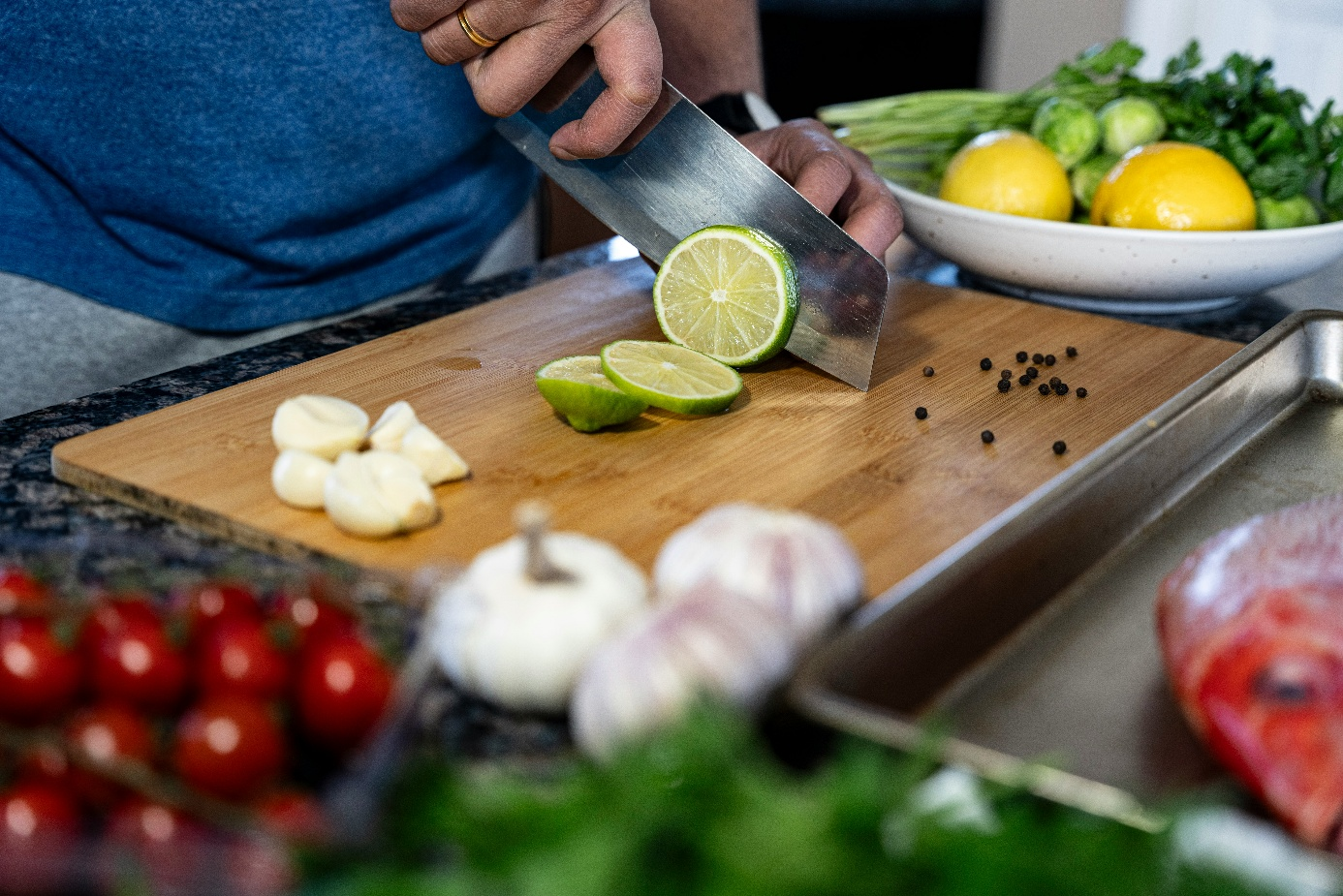
Scraping food sideways across the cutting board with the blade is one of the most common reasons why a knife quickly loses its sharpness.
Do you chop an onion and then use the blade to push it aside? This sideways motion bends the blade's thin cutting edge, causing the knife to dull much faster than with cutting alone.
How to Protect the Blade When Scraping Food?
Turn the knife over and gather the food with the backside,, or use a dough scraper. This small change in habit can significantly extend the life of your knife's sharp edge.
4. Storing Knives Unprotected in a Drawer
Knives stored loose in a drawer with other utensils constantly knock against metal objects, causing their blades to chip. They also pose a risk to anyone who reaches into the drawer.
What Are the Best Ways to Store Knives?
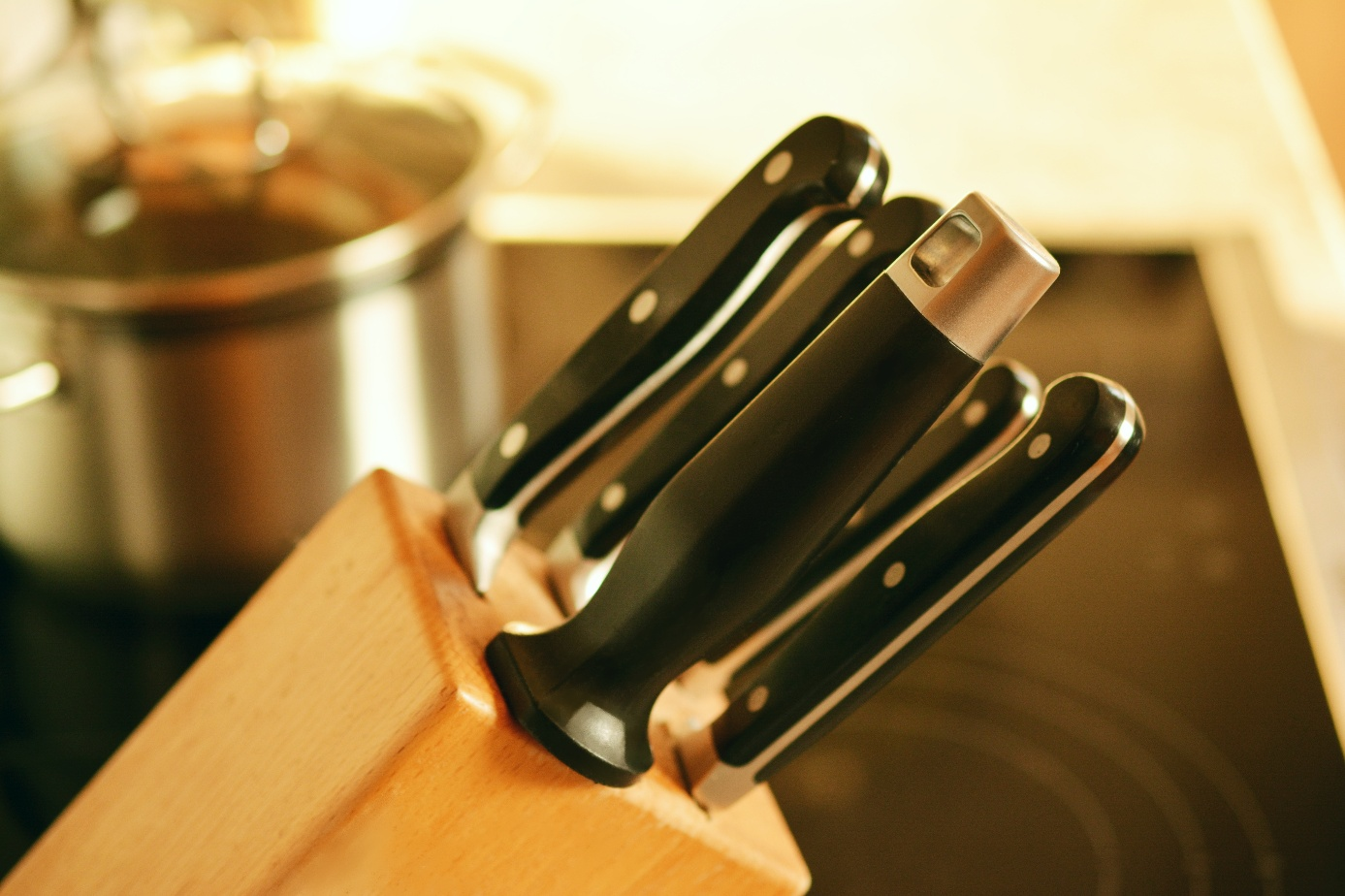
Kitchen knives are best stored in a knife block, on a magnetic knife strip, or in a blade guard. These storage options prevent the blades from coming into contact with other utensils and help them stay sharp for longer.
- Knife Block: Place the knife so that the blade does not scrape against the edges of the slot.
- Magnetic Knife Strip: Place the knife against the strip spine-first, and remove it by lifting it upward rather than sliding it across the magnet.
- Blade Guard or Knife Sheath: Ideal if you store your knife in a drawer or carry it with you.
5. Using the Wrong Knife for the Job
Every kitchen knife is designed for a specific task, and when you use it for everything, the blade is the first to suffer.
A kitchen knife is not a one-size-fits-all tool. The blade is most commonly damaged by:
- Cutting through bones and frozen food,
- Opening cans, packages, and plastic packaging,
- “prying” or twisting the blade when cutting hard foods, such as pumpkins.
Harder steels retain their sharpness for longer, but they are more brittle, so the blade can chip if struck or bent. For cutting through bones, use cleaver,, for packaging kitchen shears,and thaw frozen food before cutting it.
Conclusion – How to Keep Your Knife Sharp?
To make your kitchen knives last longer, all it takes is five simple habits: wash them by hand and dry them immediately, use a wooden or plastic cutting board, gather food using the spine of the blade, store them safely, and use each knife only for its intended purpose.
With regular honing and occasional sharpening, a good knife can last a lifetime. If you're looking for a knife worth considering, take a look at our offer.
And if you’d like to discover how a great blade is made, you can even craft your own knife at one of our workshops.
Frequently Asked Questions
Can kitchen knives be washed in the dishwasher?
It is not recommended. Even if the manufacturer states that a knife is dishwasher-safe, hand washing and immediate drying will help preserve the blade and handle for much longer.
Which cutting board is least likely to dull your knife?
Wooden boards, especially end-grain wood boards, are the best choice. A high-quality plastic cutting board is also a good alternative. Avoid glass and stone surfaces.
Why does my knife become dull so quickly?
The most common causes are hard cutting surfaces, scraping food with the blade, washing the knife in the dishwasher, and storing it unprotected in a drawer.
How should you care for a wooden knife handle?
Dry it immediately after washing and occasionally treat it with food-safe wood oil. This will help prevent the wood from drying out or cracking.
How do you remove rust from a knife?
Light surface rust can be removed using a paste made from baking soda and a little water, applied with a soft cloth or sponge. Rinse the knife thoroughly, dry it, and apply a thin layer of oil. Deeper rust or pitting may require professional sharpening.